Curcumin and MASLD: What the Research Suggests About Liver and Metabolic Health
Metabolic dysfunction-associated steatotic liver disease (MASLD) previously known as non-alcoholic fatty liver disease (NAFLD) is now the most common chronic liver condition worldwide.
MASLD occurs when fat accumulates in the liver in the setting of metabolic dysfunction. It is often associated with:
-
Obesity
-
Insulin resistance
-
Type 2 diabetes
-
Elevated triglycerides
-
Chronic low-grade inflammation
Because MASLD is closely tied to metabolic health, treatment strategies typically focus on improving insulin sensitivity, reducing inflammation, and supporting liver function.
One natural compound gaining attention in research is curcumin.
What Is Curcumin?
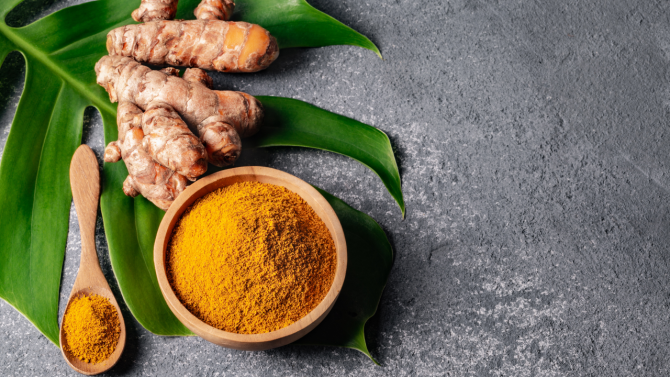
Curcumin is a bioactive compound derived from the root of Curcuma longa, commonly known as turmeric.
It has been widely studied for its:
-
Anti-inflammatory properties
-
Antioxidant activity
-
Effects on metabolic signaling pathways
-
Potential role in supporting liver health
Unlike turmeric used in cooking, curcumin supplements are standardized extracts that deliver concentrated amounts of the active compound.
MASLD: A Condition Driven by Inflammation and Metabolic Stress

MASLD is not simply “fat in the liver.” It is a condition influenced by:
-
Insulin resistance
-
Oxidative stress
-
Chronic inflammatory signaling
-
Dysregulated fat metabolism
-
Mitochondrial dysfunction
Over time, these factors can contribute to liver stiffness, fibrosis, and worsening metabolic control.
Because inflammation and oxidative stress are central drivers, therapies that target these pathways are being actively studied.
What Research Suggests About Curcumin in MASLD
Recent clinical research has examined the impact of curcumin supplementation in individuals with MASLD and type 2 diabetes.
In controlled trials, curcumin supplementation has been associated with:
Reduced Inflammatory Markers
Participants taking curcumin demonstrated decreases in inflammatory signaling molecules, including:
-
Tumor necrosis factor-alpha (TNF-α)
-
Interleukin-1 beta (IL-1β)
-
Interleukin-6 (IL-6)
These markers are closely linked to metabolic inflammation and liver injury progression.
Improved Oxidative Stress Balance
Curcumin supplementation has also been associated with:
-
Lower markers of lipid peroxidation
-
Increased activity of antioxidant enzymes such as glutathione peroxidase and superoxide dismutase
Because oxidative stress plays a major role in liver cell injury, improving antioxidant defenses may support liver resilience.
Better Metabolic Parameters
Some studies have reported improvements in:
-
Fasting glucose
-
Hemoglobin A1c (HbA1c)
-
Body mass index (BMI)
-
Total body fat
-
Non-esterified fatty acids
Improving metabolic control is essential in MASLD management, as insulin resistance is a primary driver of hepatic fat accumulation.
Improvements in Liver Measures
In longer-term studies, curcumin supplementation has been associated with reductions in:
-
Hepatic steatosis (liver fat accumulation)
-
Liver stiffness measurements
While curcumin is not a replacement for lifestyle intervention, these findings suggest it may serve as a supportive adjunct in a comprehensive care plan.
How Might Curcumin Work?
Curcumin appears to influence several biological pathways relevant to MASLD:
-
Modulation of inflammatory cytokines
-
Reduction of oxidative stress
-
Improvement in insulin signaling
-
Support of mitochondrial function
-
Regulation of lipid metabolism
Rather than targeting a single pathway, curcumin appears to act across multiple interconnected systems.
Important Considerations
Curcumin is not a stand-alone solution for MASLD.
The foundation of management remains:
-
Nutrition optimization
-
Weight management
-
Blood sugar regulation
-
Physical activity
-
Addressing underlying metabolic dysfunction
Supplementation should be considered part of a broader strategy, not a substitute for foundational changes.
Additionally, bioavailability matters. Standard curcumin is poorly absorbed, so clinically studied formulations often use enhanced delivery systems to improve absorption.
Is Curcumin Appropriate for Everyone?
Curcumin is generally well tolerated, but it may not be appropriate for individuals who:
-
Are on certain anticoagulant medications
-
Have gallbladder disease
-
Have specific gastrointestinal sensitivities
As with any supplement, discussion with a healthcare provider is recommended before initiating therapy.
The Bigger Picture
MASLD is a metabolic condition that reflects systemic dysfunction not just liver fat accumulation.
Because inflammation, oxidative stress, and insulin resistance are central to its progression, therapies that address these mechanisms are increasingly being explored.
Curcumin represents one promising adjunctive option, particularly when integrated into a comprehensive, metabolically focused treatment plan.
If you are concerned about metabolic health or liver function, a thorough evaluation and individualized plan are essential.