

Examples of Regenerative Medicine
PRP & Orthobiologics: How Regenerative Medicine Supports Healing
Regenerative medicine is built on a simple but powerful idea:
support the body’s natural ability to repair itself.
Rather than masking pain or suppressing inflammation temporarily, regenerative therapies aim to improve the healing environment within damaged tissue.
Two of the most widely used regenerative approaches in musculoskeletal care are:
-
Platelet-Rich Plasma (PRP)
-
Orthobiologic therapies
Together, they represent a shift toward biologic, precision-based treatment.
What Is PRP (Platelet-Rich Plasma)?
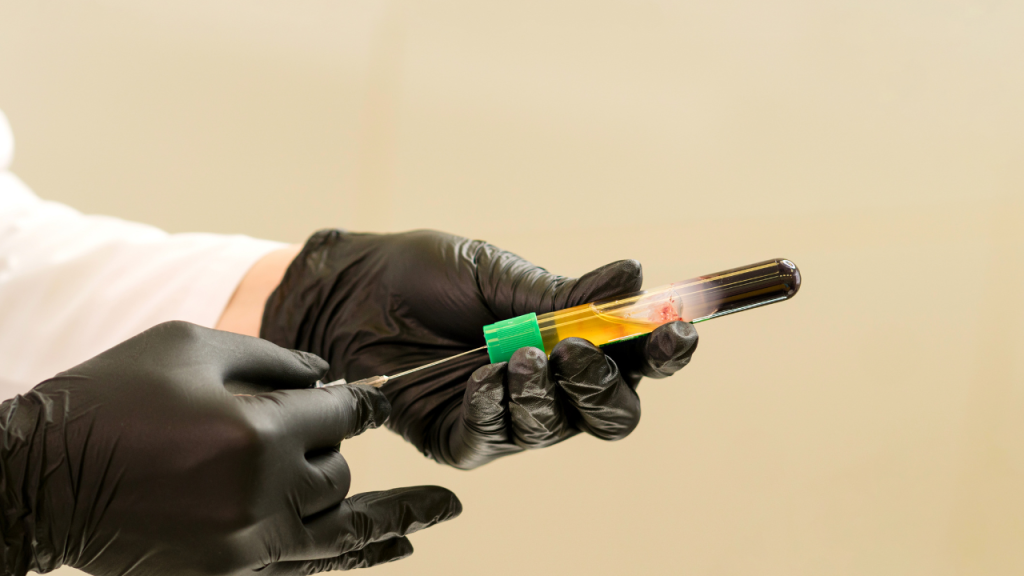
Platelet-Rich Plasma (PRP) is a treatment that uses a small sample of your own blood.
After processing the blood in a centrifuge, the platelet-rich portion is separated and concentrated. Platelets contain powerful growth factors that play a critical role in:
-
Tissue repair
-
Collagen production
-
Blood vessel formation
-
Inflammation signaling
When injected into injured or degenerative tissue, PRP helps stimulate a healing response at the site of damage.
PRP is commonly used for:
-
Tendon injuries (tennis elbow, Achilles tendinopathy)
-
Ligament sprains
-
Mild to moderate joint degeneration
-
Chronic soft tissue pain
Because PRP uses your body’s own biology, it aligns naturally with regenerative medicine principles.
What Are Orthobiologics?
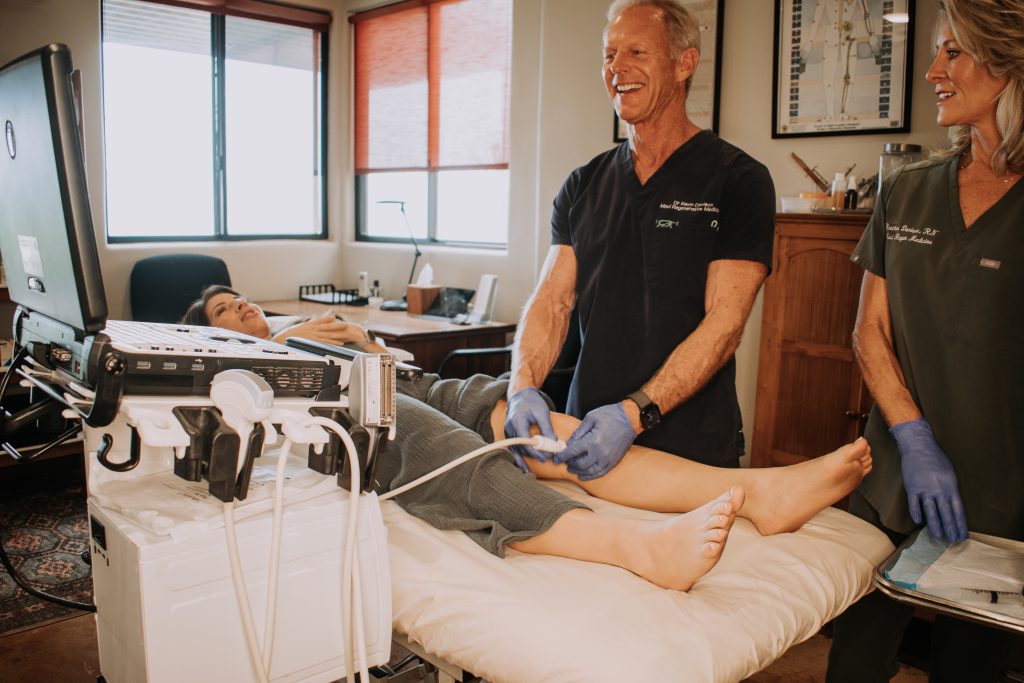
Orthobiologics are biologic substances used to help musculoskeletal injuries heal more effectively.
The term “orthobiologic” refers broadly to natural materials — often derived from the patient — that are used to:
-
Support tissue repair
-
Improve structural healing
-
Enhance the regenerative environment
PRP is one type of orthobiologic.
Other orthobiologic therapies may include cellular-based treatments or biologic concentrates designed to support joint, tendon, and ligament health.
The goal is not to replace tissue — but to create conditions that encourage healthier tissue regeneration.
How PRP and Orthobiologics Work
Regenerative therapies function through biologic signaling.
When tissue becomes damaged, the body initiates a healing cascade. In chronic injuries, that cascade may be incomplete or inefficient.
PRP and orthobiologic treatments help:
-
Deliver concentrated healing signals directly to injured tissue
-
Stimulate collagen remodeling
-
Support improved tissue structure
-
Encourage long-term functional improvement
Unlike treatments that simply suppress inflammation, regenerative therapies aim to improve tissue quality itself.
Why Precision Matters
Regenerative treatments must be delivered to the correct tissue to be effective.
That is why many providers use ultrasound guidance to:
-
Identify the exact structure involved
-
Assess tissue integrity in real time
-
Deliver treatment precisely to the targeted area
Accuracy enhances both safety and consistency.
What Conditions May Benefit?
PRP and orthobiologics are commonly considered for:
-
Chronic tendon injuries
-
Ligament instability
-
Early joint degeneration
-
Overuse injuries
-
Mild to moderate arthritis
A thorough evaluation determines whether regenerative therapy is appropriate for a specific condition.
A Biologic Approach to Healing
PRP and orthobiologics represent a modern shift in medicine — moving from symptom suppression toward structural support and tissue regeneration.
They are not instant fixes.
They are not miracle cures.
They are biologically guided treatments designed to support the body’s natural repair process.
For individuals seeking alternatives to surgery or looking to address chronic musculoskeletal issues with a precision-based approach, regenerative therapies may offer a meaningful option.