
About

Posts by :

How Regenerative Medicine Works

How Regenerative Medicine Works

Supporting the Body’s Natural Ability to Heal

The human body is designed to repair itself.

When you cut your skin, it heals. When you strain a muscle, your body works to rebuild it. But over time due to age, repetitive stress, inflammation, or injury that natural repair process can slow down.

Regenerative medicine is designed to support and enhance the body’s own healing mechanisms, helping damaged tissue repair more efficiently and intentionally.

The Core Principle: Stimulating Repair

Regenerative medicine does not replace tissue.
It does not mask pain.
And it does not override the body’s biology.

Instead, it works by stimulating natural healing processes at the cellular level.

When tissue becomes injured or degenerative such as in tendons, ligaments, joints, or cartilage, the body may struggle to fully repair it. Regenerative therapies introduce concentrated biological signals that encourage the repair process to activate more effectively.

These signals may include:

  • Growth factors

  • Platelets

  • Cellular messengers

  • Regenerative signaling proteins

The goal is simple: encourage the body to heal what it was already trying to repair.

What Happens During a Regenerative Treatment?

While treatments vary depending on the condition, the general process follows a similar pattern:

1. Assessment

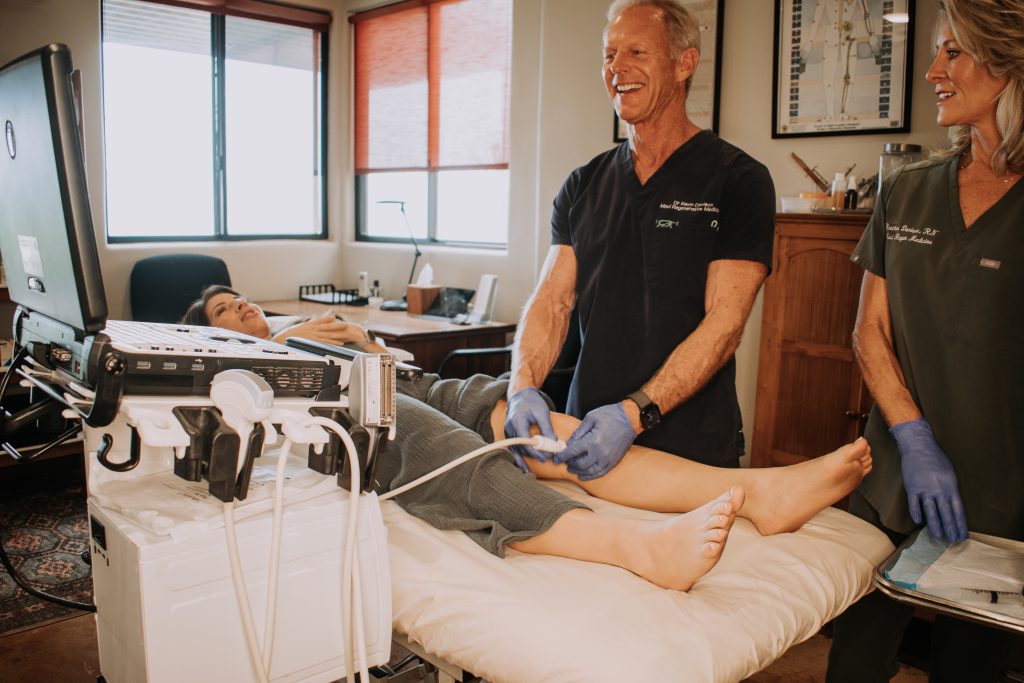
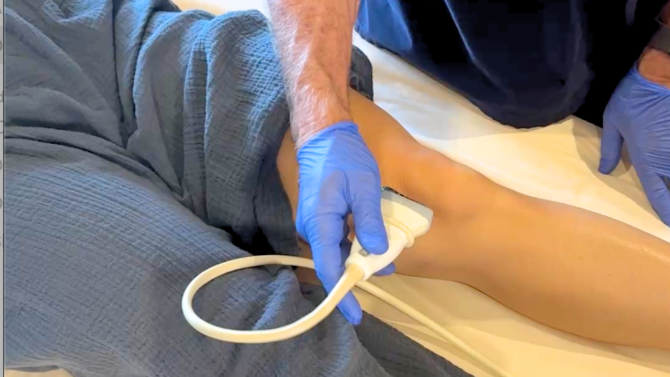
The injured or painful area is evaluated through clinical examination and often ultrasound imaging to identify the exact tissue involved.

2. Targeted Application

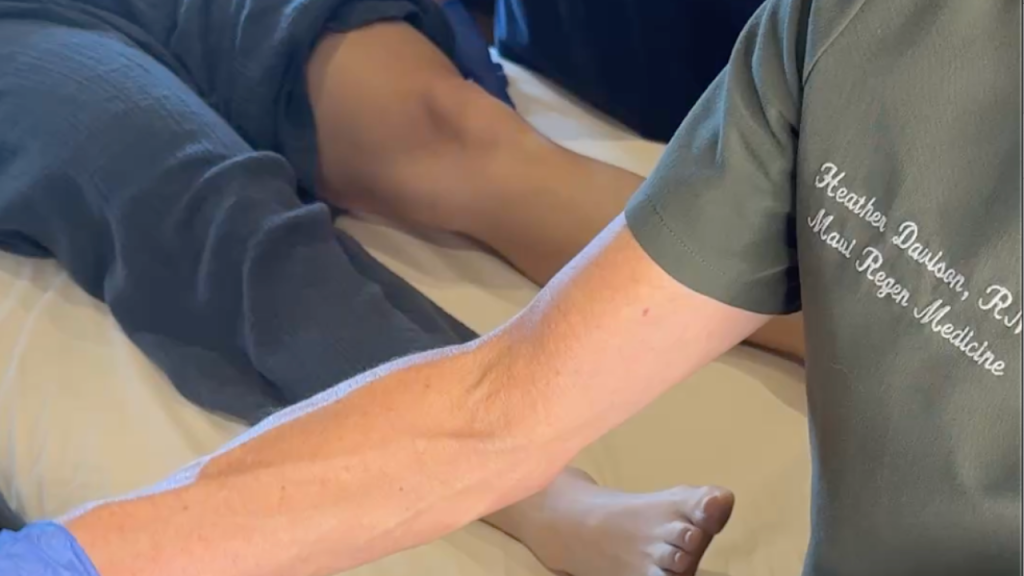
Regenerative therapies are delivered directly to the affected tissue often with ultrasound guidance for precision.

3. Biological Activation

The treatment stimulates the body’s healing response. Growth factors and cellular signals begin encouraging tissue repair, collagen production, and improved structural integrity.

4. Gradual Remodeling

Over weeks to months, the tissue undergoes a process of remodeling and strengthening.

Healing takes time but it is intentional and structural.

How Regenerative Medicine Differs from Traditional Approaches

Many conventional treatments focus on symptom control.

  • Anti-inflammatories suppress inflammation

  • Steroid injections reduce irritation temporarily

  • Surgery removes or repairs damaged tissue

Regenerative medicine takes a different approach.
It aims to improve the tissue environment itself.

Instead of asking, “How do we quiet the pain?”
It asks, “How do we support healthier tissue function?”

That distinction matters especially for chronic injuries or degenerative conditions.

Common Conditions Treated with Regenerative Medicine

Regenerative therapies are often used for:

  • Tendon injuries

  • Ligament sprains

  • Joint degeneration

  • Mild to moderate arthritis

  • Overuse injuries

  • Chronic soft tissue pain

Because these conditions involve tissue breakdown or incomplete healing, they are well suited to biologic support strategies.

Is Regenerative Medicine Instant?

No.

Because regenerative medicine works by stimulating natural repair processes, results develop gradually. Patients often notice:

  • Reduced pain over time

  • Improved joint stability

  • Better mobility

  • Enhanced tissue resilience

The timeline varies depending on the condition and overall health of the individual.

Healing is not rushed it is supported.

Why Precision Matters

For regenerative medicine to work effectively, treatment must be delivered to the correct tissue.

This is why many regenerative providers use ultrasound guidance, ensuring therapies are applied directly to the structure needing support rather than relying on anatomical estimates.

Precision enhances consistency and improves outcomes.

A Smarter Approach to Long-Term Healing

Regenerative medicine represents a shift in thinking.

Rather than suppressing symptoms, it seeks to:

  • Support natural repair

  • Improve tissue quality

  • Enhance structural integrity

  • Promote long-term function

It is not about forcing change.
It is about supporting the body’s inherent ability to heal.

Is Regenerative Medicine Right for You?

Every condition and every body is different.

A consultation helps determine:

  • Whether your injury is suitable for regenerative therapy

  • What type of regenerative approach may be appropriate

  • Whether supportive strategies like nutrition or rehabilitation are needed

The goal is always individualized care, guided by precision and grounded in biology.

Learn More About Regenerative Care

If you’re exploring alternatives to surgery or looking for a more biologically supportive approach to healing, regenerative medicine may be an option worth considering.

Call or text 808-575-2328 to schedule a consultation to learn how regenerative therapies may support your recovery.

Why Ultrasound Matters in Regenerative Medicine

Why Ultrasound Matters in Regenerative Medicine

Seeing the Injury Changes Everything

In regenerative medicine, precision matters.

Treating pain or injury based solely on symptoms or static imaging often leaves room for guesswork. Ultrasound changes that allowing providers to see, assess, and treat tissue in real time, leading to more accurate diagnoses and targeted care.

At its core, ultrasound brings clarity to what’s actually happening beneath the surface.

Seeing the Injury in Real Time

Unlike X-rays or MRIs, ultrasound is a dynamic imaging tool. That means we’re not just looking at a still snapshot we’re observing how tissues behave as they move.

With ultrasound, providers can:

  • Visualize soft tissues such as tendons, ligaments, muscles, and fascia
  • Watch how tissue moves during motion
  • Identify areas of irritation, degeneration, or disruption
  • See where inflammation is actively present
  • Determine which structures are truly involved in the pain or dysfunction

This real-time insight helps distinguish the source of the problem, rather than treating surrounding areas based on assumption.

Understanding Tissue, Not Just Symptoms

Pain doesn’t always originate where it’s felt.

Ultrasound allows clinicians to:

  • Differentiate between muscle strain, tendon injury, ligament damage, or joint-related issues
  • Identify scar tissue, micro-tears, or chronic degeneration
  • Assess blood flow and inflammatory patterns
  • Track changes over time

By understanding the tissue itself, not just reported symptoms, regenerative treatment plans become more accurate and effective.

Precision-Guided Treatment Delivery

One of the most powerful benefits of ultrasound in regenerative medicine is precision-guided treatment.

Rather than relying on anatomical estimates or “blind” injections, ultrasound allows treatments to be delivered directly to the targeted tissue.

This means:

  • The treatment reaches the intended structure
  • Surrounding tissues are avoided
  • Accuracy and consistency improve
  • Patient comfort often increases
  • Outcomes are more predictable

In regenerative care, where treatments are designed to stimulate healing at a specific site accuracy matters.

Why Precision Is Critical in Regenerative Therapies

Regenerative treatments work by activating the body’s natural repair processes. For that activation to be effective, the therapy must reach the right tissue, at the right depth, in the right location.

Ultrasound guidance helps ensure:

  • Growth factors or regenerative signals are delivered where they’re needed
  • Degenerated or inflamed tissue is directly addressed
  • Healing responses are localized and intentional

This level of precision supports better healing environments and more reliable results.

A Safer, Smarter Approach to Care

Ultrasound is:

  • Radiation-free
  • Non-invasive
  • Repeatable as needed
  • Comfortable for patients

It also allows providers to reassess tissue before, during, and after treatment — helping guide next steps and track progress over time.

Regenerative Medicine Without Guesswork

Ultrasound transforms regenerative medicine from assumption-based care into data-informed, precision-guided treatment.

By seeing the injury clearly, understanding how tissue behaves, and delivering care with accuracy, ultrasound helps ensure regenerative therapies are applied intentionally — not approximately.

The result is a smarter approach to healing, grounded in visualization, movement, and real-time feedback.

Aesthetic PRF: Regenerative Rejuvenation from Within

Aesthetic PRF: Regenerative Rejuvenation from Within

Modern aesthetic medicine is shifting away from harsh, invasive procedures and moving toward treatments that work with the body not against it. One of the most powerful examples of this approach is aesthetic Platelet-Rich Fibrin (PRF) therapy.

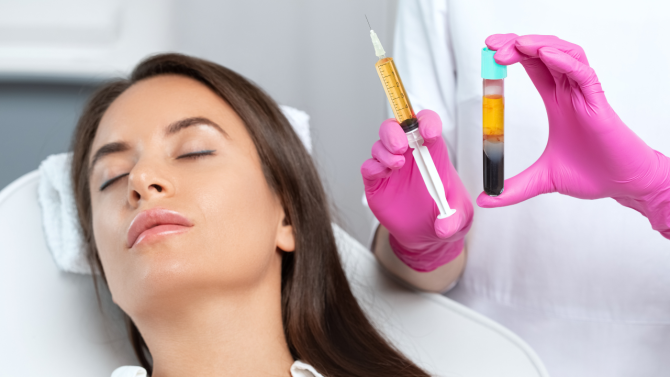
PRF is a non-surgical, regenerative treatment that uses your body’s own blood to support skin rejuvenation and hair restoration helping you achieve refreshed, natural results without synthetic fillers or extensive downtime.

What Is Aesthetic PRF?

Aesthetic PRF therapy harnesses the healing and regenerative properties found in your own platelets. Platelets contain growth factors that play a critical role in tissue repair, collagen production, and cellular renewal.

When concentrated and applied strategically, PRF helps stimulate the body’s natural rejuvenation process improving skin quality and supporting hair growth over time.

How PRF Works

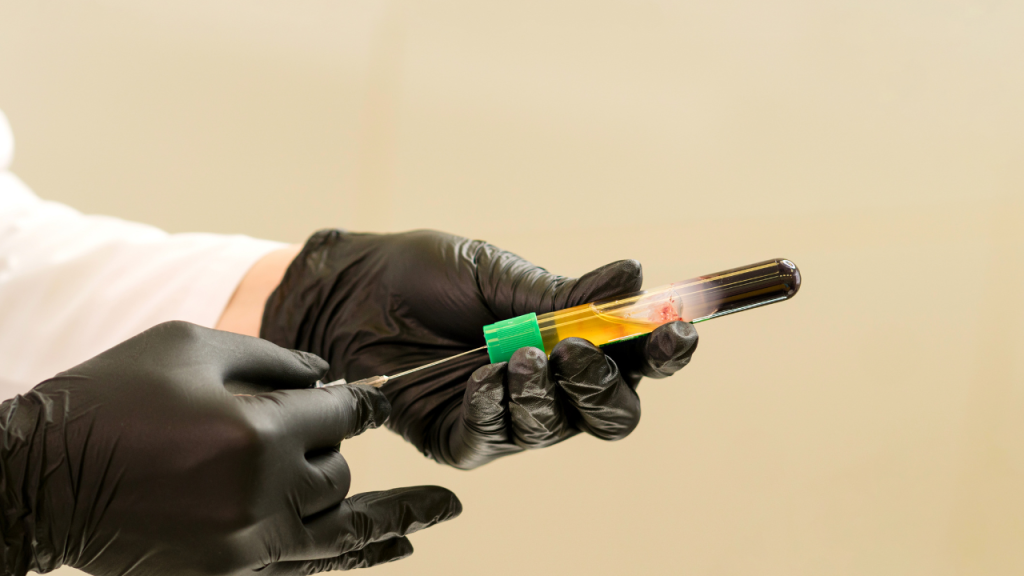
Step 1: Blood Draw

A small amount of blood is drawn, similar to a routine lab test.

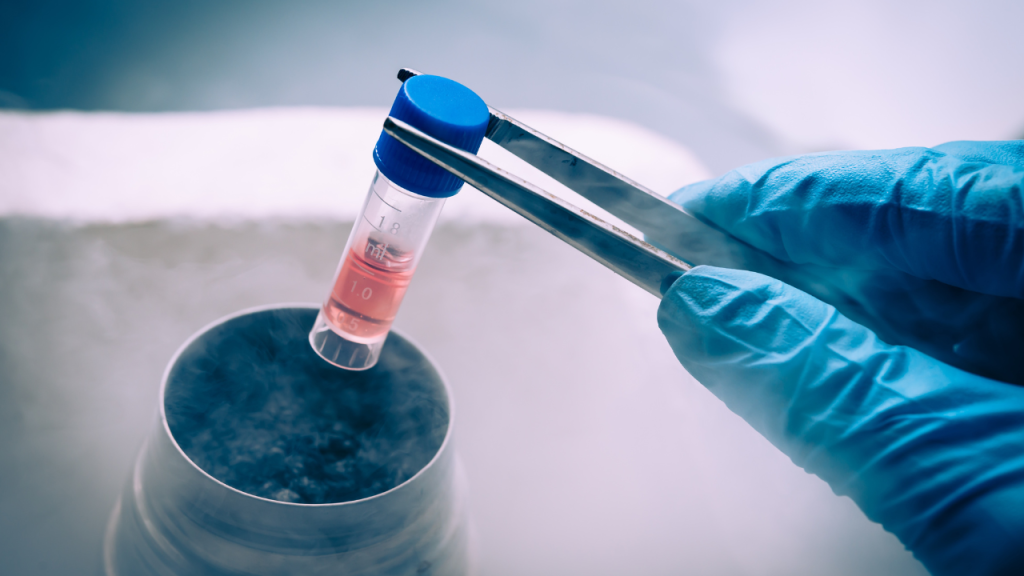
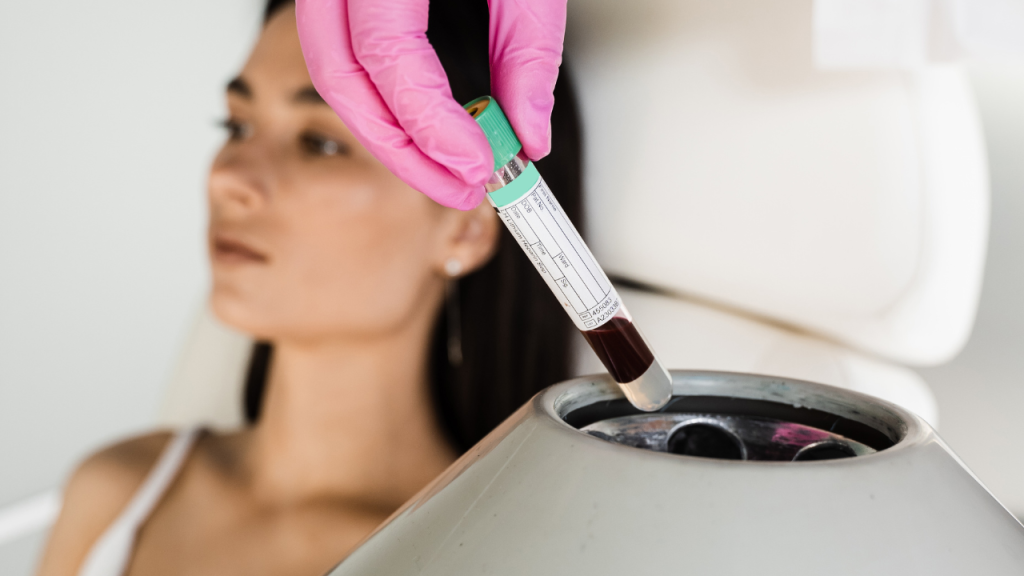
Step 2: Centrifugation

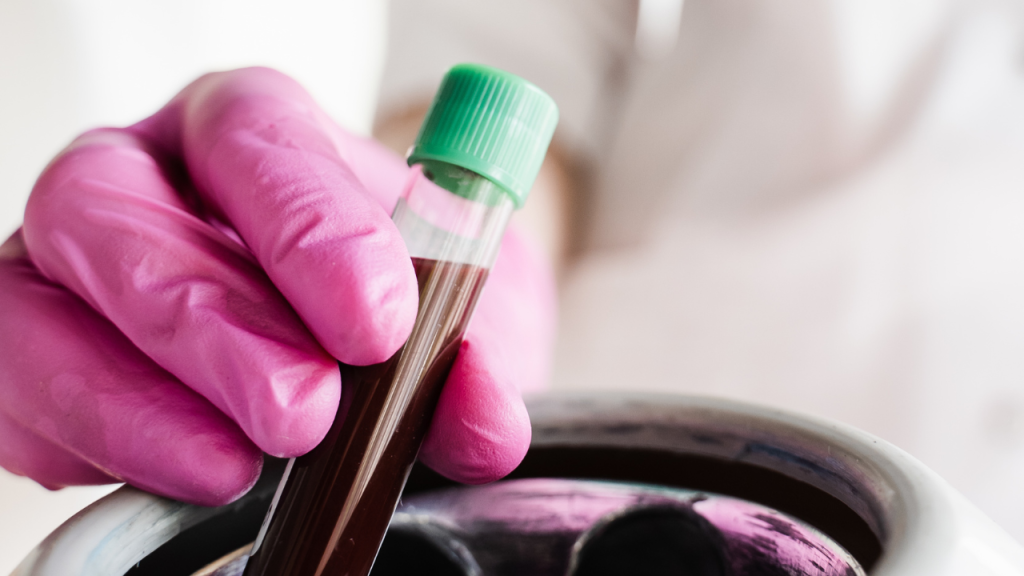
The blood is placed into a centrifuge, which spins it at high speed to separate the platelet-rich plasma from other blood components. The result is a concentrated serum rich in growth factors.

Step 3: Application

  • Facial Rejuvenation: PRF is applied topically with microneedling or injected into targeted areas to improve skin texture, tone, and elasticity while softening fine lines.
  • Hair Restoration: PRF is injected into the scalp to stimulate dormant hair follicles, promote new growth, and reduce thinning.

Step 4: Regeneration & Results

The growth factors in PRF activate the body’s natural healing response, supporting collagen production, tissue repair, and cellular regeneration. Results develop gradually as the skin or scalp responds to treatment.

Benefits of Aesthetic PRF

  • Uses your own blood no synthetic substances
  • Supports natural collagen production
  • Improves skin texture and tone
  • Helps soften fine lines and wrinkles
  • Encourages hair growth and thickness
  • Minimal downtime
  • Results look natural and progressive

PRF is ideal for individuals who want subtle, refreshed results without drastic changes.

Why PRF Fits a Regenerative Aesthetic Philosophy

Unlike treatments that mask signs of aging, PRF focuses on restoring function at a cellular level. By stimulating the body’s innate repair mechanisms, PRF aligns seamlessly with regenerative medicine principles emphasizing healing, longevity, and biological balance.

This makes PRF an excellent option for those who value:

  • Whole-body wellness
  • Natural aesthetic enhancement
  • Long-term skin and hair health

What to Expect After Treatment

PRF treatments typically involve little to no downtime. Some patients experience mild redness, swelling, or sensitivity for a short period following treatment.

Because PRF works by stimulating natural regeneration, improvements occur gradually over several weeks as collagen production and tissue repair increase.

Is Aesthetic PRF Right for You?

PRF can be an effective option for individuals looking to:

  • Refresh tired or aging skin
  • Improve skin texture and elasticity
  • Address early signs of hair thinning
  • Enhance results without surgery or synthetic fillers

A personalized consultation helps determine whether PRP aligns with your goals and skin or hair concerns.

Experience Regenerative Aesthetic Care

Aesthetic PRP offers a natural, science-backed approach to rejuvenation supporting the body’s own ability to repair and renew.

👉 Text/Call (808) 575-2328 to schedule a consultation to learn whether PRF is right for your aesthetic goals.

Supplements We Often Use to Support Regenerative Healing

Supplements We Often Use to Support Regenerative Healing

A Functional & Regenerative Medicine Perspective

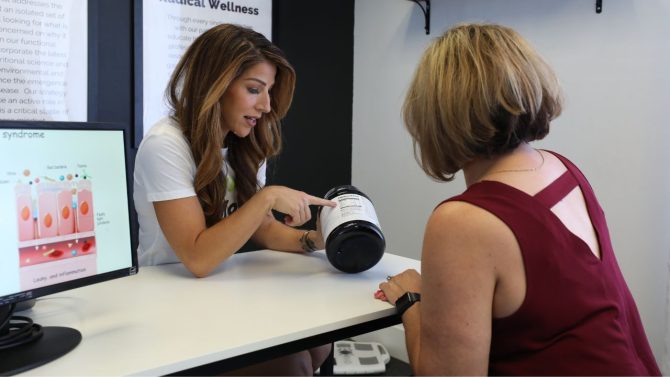
At Maui Regenerative Medicine, supplements are never prescribed in isolation. They’re used strategically to support tissue repair, reduce inflammation, optimize cellular energy, and improve recovery alongside regenerative treatments.

Rather than recommending a generic “top 10,” we focus on categories of support that commonly matter in regenerative medicine always individualized, always intentional.

  1. Foundational Nutrients: The Base Layer for Healing

Before the body can regenerate tissue, it needs adequate raw materials.

Foundational nutrients help ensure the body has what it needs to:

  • Build new cells
  • Support immune balance
  • Maintain bone, muscle, and connective tissue health

Common categories we may use:

  • Vitamin D (for immune regulation, bone health, and inflammation balance)
  • High-quality multivitamins/minerals (to address common micronutrient gaps)
  • Magnesium (for muscle function, nervous system regulation, and cellular energy)

Regenerative therapies work best when the body isn’t “running on empty.”

  1. Inflammation Modulation: Supporting the Healing Response

Inflammation is part of healing but chronic or dysregulated inflammation can slow recovery.

We often support a healthy inflammatory response to:

  • Reduce excessive joint or soft-tissue irritation
  • Support post-procedure comfort
  • Improve long-term tissue resilience

Common support categories:

  • Curcumin or turmeric-based compounds
  • Omega-3 fatty acids
  • Polyphenols and plant-based antioxidants

These are not painkillers they support the body’s natural resolution pathways.

  1. Cellular Energy & Mitochondrial Support

Regeneration is energy-intensive.

Every repair process from collagen synthesis to stem-cell signaling depends on mitochondrial function.

Common areas of support:

  • NAD+ precursors
  • B-vitamins in bioavailable forms
  • Nutrients that support oxidative metabolism

When energy production is optimized, patients often notice:

  • Better recovery
  • Improved stamina
  • Reduced post-procedure fatigue
  1. Blood Sugar & Metabolic Balance

Poor metabolic health can impair healing, circulation, and tissue repair.

For some patients, we prioritize support for:

  • Insulin sensitivity
  • Glucose regulation
  • Cardiometabolic balance

Common support tools may include:

  • Botanical compounds for metabolic support
  • Nutrients that assist glucose utilization
  • Lifestyle-aligned supplementation strategies

This is especially important for patients with joint degeneration, chronic inflammation, or slow recovery.

  1. Gut & Immune Support: Where Healing Begins

The gut and immune system play a direct role in inflammation, nutrient absorption, and tissue repair.

When indicated, we may support:

  • Intestinal integrity
  • Microbiome balance
  • Immune signaling pathways

A healthy gut improves how well the body uses both nutrients and regenerative treatments.

  1. Methylation & Detox Pathways

Efficient methylation supports:

  • Tissue repair
  • Neurological health
  • Detoxification
  • Cardiovascular function

For certain patients, targeted support here helps ensure:

  • Proper nutrient activation
  • Balanced neurotransmitter production
  • Healthy inflammatory signaling

This is never one-size-fits-all it’s guided by history, symptoms, and labs when appropriate.

How We Choose Supplements at Maui Regenerative Medicine

We prioritize products that are:

  • Clinically researched
  • Highly bioavailable
  • Free from unnecessary fillers
  • Compatible with regenerative protocols

All supplement recommendations are personalized and often paired with:

  • Regenerative injections
  • Functional nutrition guidance
  • Recovery and lifestyle strategies

A Note on Personalization

Not every patient needs every category and some may need none at all.

That’s why we:

  • Assess the whole picture
  • Use supplements as supportive tools, not replacements
  • Adjust recommendations as healing progresses

Want to Learn What Support Makes Sense for You?

If you’re undergoing regenerative treatment or considering it we’re happy to discuss how nutritional and supplement support may complement your care.

👉 Text/Call (808) 575-2328 with our team about a functional nutrition or regenerative consultation.

Metabolic Health: The Missing Link in Healing, Inflammation, and Long-Term Recovery

Metabolic Health: The Missing Link in Healing, Inflammation, and Long-Term Recovery

When patients think about healing, they often focus on the site of pain or dysfunction—a joint, tendon, muscle, or area of tissue that isn’t responding as expected. But in regenerative and functional medicine, we consistently see that healing is influenced by much more than the injured area alone.

One of the most overlooked contributors to recovery, inflammation, and treatment durability is metabolic health.

What Is Metabolic Health?

Metabolic health refers to how efficiently the body manages energy, blood sugar, insulin signaling, inflammation, and cellular repair. It reflects how well systems like the liver, muscles, fat tissue, gut, and hormones work together to support balance and resilience.

Importantly, metabolic dysfunction can exist long before someone is diagnosed with diabetes or other metabolic disease. Many individuals with “normal” labs still experience blood sugar swings, chronic inflammation, fatigue, or stalled healing.

Why Metabolic Health Matters for Healing

Tissue repair is an energy-intensive process. When metabolic systems are under strain, the body prioritizes survival over regeneration.

Poor metabolic health can affect healing by:

  • Increasing inflammatory signaling
  • Reducing circulation and oxygen delivery to tissues
  • Impairing collagen formation and tissue remodeling
  • Disrupting hormonal signals involved in repair
  • Slowing recovery after injury or procedures

This helps explain why two people can receive the same regenerative treatment and experience very different outcomes. The procedure may be identical, but the internal environment supporting healing is not.

Blood Sugar, Inflammation, and Tissue Repair

Blood sugar regulation plays a central role in metabolic health. Frequent spikes and crashes even in people without diabetes can increase oxidative stress and inflammatory pathways throughout the body.

Over time, this inflammatory state can:

  • Delay healing
  • Worsen joint stiffness and pain
  • Contribute to tendon and ligament degeneration
  • Reduce the effectiveness of regenerative therapies

Stable blood sugar supports a more favorable healing environment by reducing inflammatory load and improving cellular communication.

Metabolic Health and Chronic Inflammation

Chronic, low-grade inflammation is one of the most common barriers to long-term recovery. While inflammation is a normal and necessary part of healing, persistent inflammation can interfere with tissue repair and adaptation.

Metabolic dysfunction contributes to inflammation through:

  • Insulin resistance
  • Fat tissue signaling
  • Gut permeability
  • Hormonal imbalance
  • Stress-related cortisol dysregulation

Addressing inflammation effectively often requires looking beyond the site of pain and supporting the metabolic systems that regulate inflammatory responses.

Why Procedures Alone Aren’t Always Enough

Regenerative treatments are designed to stimulate the body’s natural repair mechanisms. However, those mechanisms rely on adequate metabolic support to function optimally.

When metabolic health is compromised, the body may struggle to fully respond, even when procedures are technically successful. This doesn’t mean regenerative care isn’t appropriate; it means outcomes can often be improved by addressing systemic factors alongside targeted treatments.

A Whole-Body Approach to Recovery

At Maui Regenerative Medicine, we view metabolic health as a foundational component of healing, longevity, and performance. Supporting metabolic balance can help create the conditions the body needs to repair tissue, regulate inflammation, and sustain results over time.

This approach may include:

  • Evaluating blood sugar patterns
  • Supporting nutrition and metabolic balance
  • Addressing inflammation and gut health
  • Considering lifestyle factors that influence recovery
  • Integrating regenerative treatments thoughtfully

Every individual is different, and care should be tailored accordingly.

The Takeaway

Healing doesn’t happen in isolation. It occurs within a complex system influenced by metabolic health, inflammation, and cellular energy balance.

If recovery has felt slower than expected or results haven’t lasted as long as hoped, metabolic health may be an important piece of the puzzle. By addressing both the site of concern and the systems that support healing, patients often experience more durable, long-term outcomes.

Anti-Inflammatories happen to be in the top most prescribed medications and why you should discontinue them forever.

Anti-Inflammatories happen to be in the top most prescribed medications and why you should discontinue them forever.

Anti-Inflammatories and why you should discontinue them forever.

Anti-inflammatories happen to be in the topmost prescribed medications on the market. They are commonly used to treat inflammation, fever, aches/pains, etc. However, you may not be aware of its overall effect on the body.

NSAIDs work against your body’s natural healing process by blocking the response associated with producing pain and inflammation. The way they work cuts off some valuable inflammatory pathways as well as the destructive ones. In order to heal an injury, the body needs to rebuild damaged connective tissue or collagen. NSAIDs block the good regenerative responses that actually are responsible for repairing a sprain of a joint ligament or tendon. Those people who see anti-inflammatories as their answer to post activity soreness are doing themselves a big disservice.   Some other risks to consider include but are not limited to the destruction of the lining of the upper intestinal tract, stroke, heart attack, and kidney failure.

Commonly known NSAIDs include but are not limited to Ibuprofen, Aleve, Aspirin, Meloxicam, Advil, Midol, and Motrin.

In a new study it was found that cortisone shots are probably more damaging in the long run than doing nothing.

In a new study it was found that cortisone shots are probably more damaging in the long run than doing nothing.

Most of you who are reading this are not prone to think of cortisone as the first go to when experiencing joint pain. But it’s important to know the facts about this conventional treatment for arthritic pain.

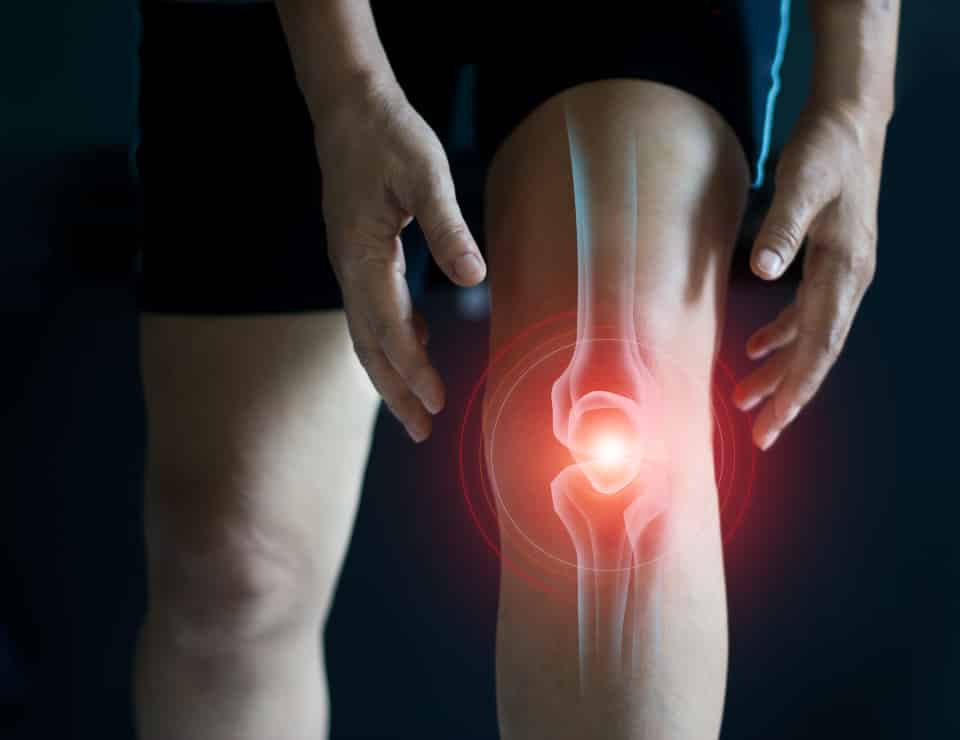
  • A new study finds that corticosteroid shots may accelerate arthritis in knee and hip joints, even as it removes the pain.
  • Osteoarthritis affects more than 30 million adults in the United States.
  • Corticosteroid shots are widely used to reduce inflammation and lessen pain in knee and hip joints.

In a new study in the journal Radiology, it was found that cortisone shots are probably more damaging in the long run than doing nothing or engaging in regenerative treatments or exercises. If your doctor tells you that you need a corticosteroid shot call your regenerative doctor at Maui Regenerative Medicine for helpful options that combat inflammation.

The new report identified several potential complications that may be associated with corticosteroid injections.

The new report identified several potential complications that may be associated with corticosteroid injections.

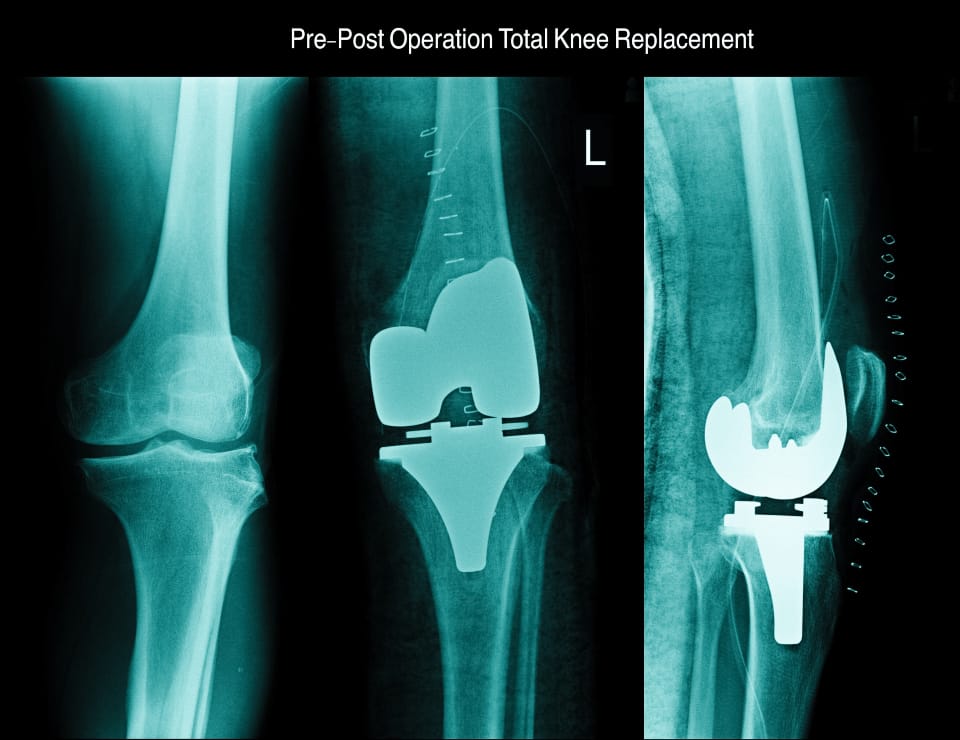
Have you ever wondered why so many people are getting joint replacements? Are there lifestyle factors, genetics or are the treatments that are routinely used for joint pain part of the cause? It has long been known that cortisone will erode and degenerate the college matrix in bone and cartilage. For some reason, this knowledge was not applied with respect to the treatments that many doctors will recommend for their patients.

The authors of the new report identified several potential complications that may be associated with corticosteroid injections. These complications may eventually cause joints to collapse, which requires joint replacement surgery to treat.

Before you go down the road of “steroid injection” please consult us and learn about the many sustainable options that will help keep your joints strong, pain-free, and prevent unnecessary surgery.

Dr. Davison at Oregon Regenerative Medicine for peripheral nerve hydro dissection training.

Dr. Davison at Oregon Regenerative Medicine for peripheral nerve hydro dissection training.

As most of us know, the pain signals we experience from trauma or normal wear and tear is transmitted via our nervous system. Most limb pain can be coming from nerve signals that help us slow down or stop what we are doing. Most people who feel pain in joints ligaments or tendons will have damage to those tissues and the nerve signals telling us that are helping to reduce the use of trauma to those tissues.

 But what happens when the tendons, ligaments and joints are healthy or non-injured and we still have a limb or extremity pain?

 In many cases our surface or peripheral nerves can be impinged or pinched at fascial openings where they emerge from.

Carpal tunnel syndrome (CTS) is a good example of impingement of the median nerve as it passes through the fascial tunnel of the wrist. Tingling of the fingers, numbness, pain and reduced dexterity of the hand can be common symptoms of CTS.

One of the best ways to release that impingement is not surgery but nerve hydro dissection. By injecting diluted dextrose around the area of compression on the nerve sheath the pressure is released and the pain is generally permanently gone. This quick, generally painless injection procedure can heal many painful conditions.

This month I attended training in this method to add to our regenerative medical tool bag. If you have pain you don’t understand and feel it may be nerve-related give us a call to get an evaluation and Ultrasound scan to help identify the problem.